The Philip Experiment: The Ghost They Invented
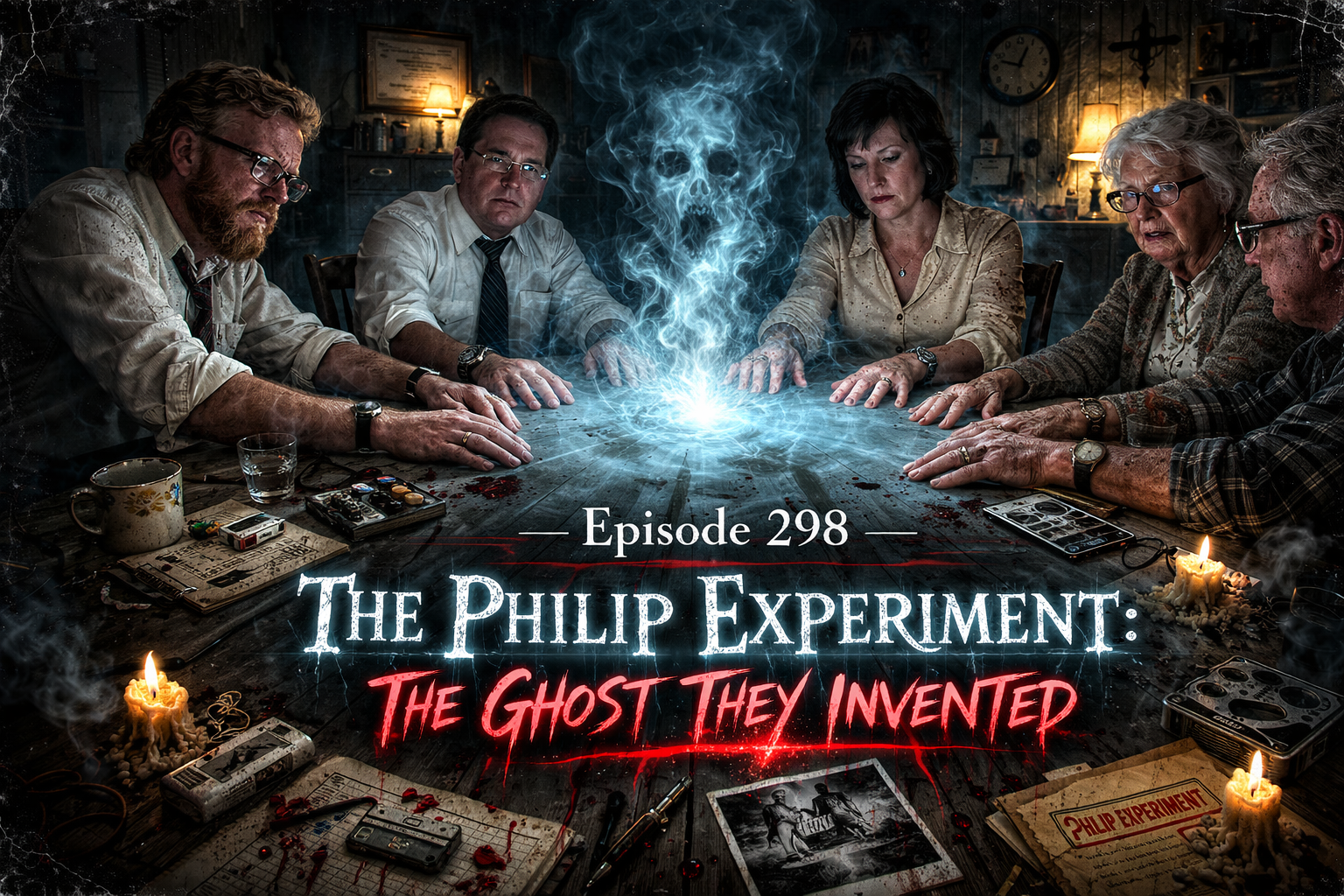
👻 The Philip Experiment: Can You Invent a Ghost?
By Juniper Ravenwood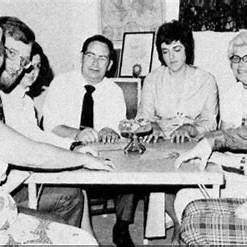
A Ghost Story That Shouldn’t Exist
Most ghost stories begin with a death, a location, or a tragedy that lingers long after the living have moved on. The Philip Experiment turns that formula upside down. Instead of uncovering a spirit with a real history, a group in Toronto set out to create one entirely from imagination. That alone is unsettling. They did not claim to discover Philip Aylesford — they designed him.
Who Was Philip Aylesford?
Philip was imagined as a 17th-century English aristocrat: a royalist, a Catholic, and a man trapped in a cold marriage. In the story the group created, he fell in love with a woman named Margo, who was later accused of witchcraft and killed. Overcome with guilt and grief, Philip took his own life. It is a gothic tale, tragic and dramatic, but most importantly, it was fictional from beginning to end.
When the Room Began to Answer
For months, the group meditated and visualized Philip with no real result. Then the tone changed. The meetings became more relaxed, more like old séance gatherings than a rigid experiment. There was conversation, humor, singing, and a looser emotional energy. That was when the strange reports began. Knocks answered questions. The table moved. It tilted, slid, and reacted as though a personality had entered the room. A ghost they knew was invented suddenly seemed to behave like a participant.
The Real Horror Beneath the Story
That is what makes The Philip Experiment so unnerving. If the phenomena were genuine, then what exactly responded? Was it a thoughtform — something shaped by focused human emotion and belief? Was it group psychokinesis? Or was the entire event a powerful example of the mind influencing the body without conscious control? Even the skeptical explanation, often tied to the ideomotor effect, does not make the story feel safer. In a way, it makes it darker. It suggests the human mind may be capable of manufacturing an experience that feels external, alive, and separate from itself.
Why Philip Still Haunts People
The Philip Experiment endures because it refuses to settle into one neat explanation. Believers see it as evidence that concentrated thought can create something real. Skeptics see social suggestion and unconscious movement. But no matter where you land, the image remains deeply eerie: a group of ordinary people gathered around a table, invented a dead man, and eventually began treating him as though he had joined them.
That is the lasting chill of Philip. Maybe the experiment did not prove ghosts are real. Maybe it proved that imagination, belief, and ritual can produce something just as haunting.
— Juniper Ravenwood

Producer, The Shadow Frequency
Juniper Ravenwood is the heart and soul behind the production of The Shadow Frequency podcast, bringing her passion for the paranormal and storytelling to every episode. Born in the wide-open plains of South Dakota, Juniper grew up surrounded by tales of mystery and the unexplained, which sparked her fascination with the eerie unknown. With a deep love for podcasting and the boundless world of the internet, she crafts each episode with a blend of spooky atmosphere and meticulous care, ensuring listeners are drawn into the shadows. As the producer, Juniper not only manages the show’s chilling vibe but also connects with fans through the Mailbag segment and the podcast’s vibrant online community. When she’s not diving into creepy stories or exploring the digital realm, you can find her chasing new paranormal mysteries or dreaming up ways to make The Shadow Frequency even spookier. Connect with Juniper and the show at shadowfrequencypodcast.com or shadowpodcast@protonmail.com!

JAL Flight 1628 UFO: Midnight Over Alaska