The Bunnyman of Virginia
🖋️ Blog Post
The Bunnyman of Virginia: When a Local Scare Becomes a Living Legend
By Juniper Ravenwood
The Legend in the Dark
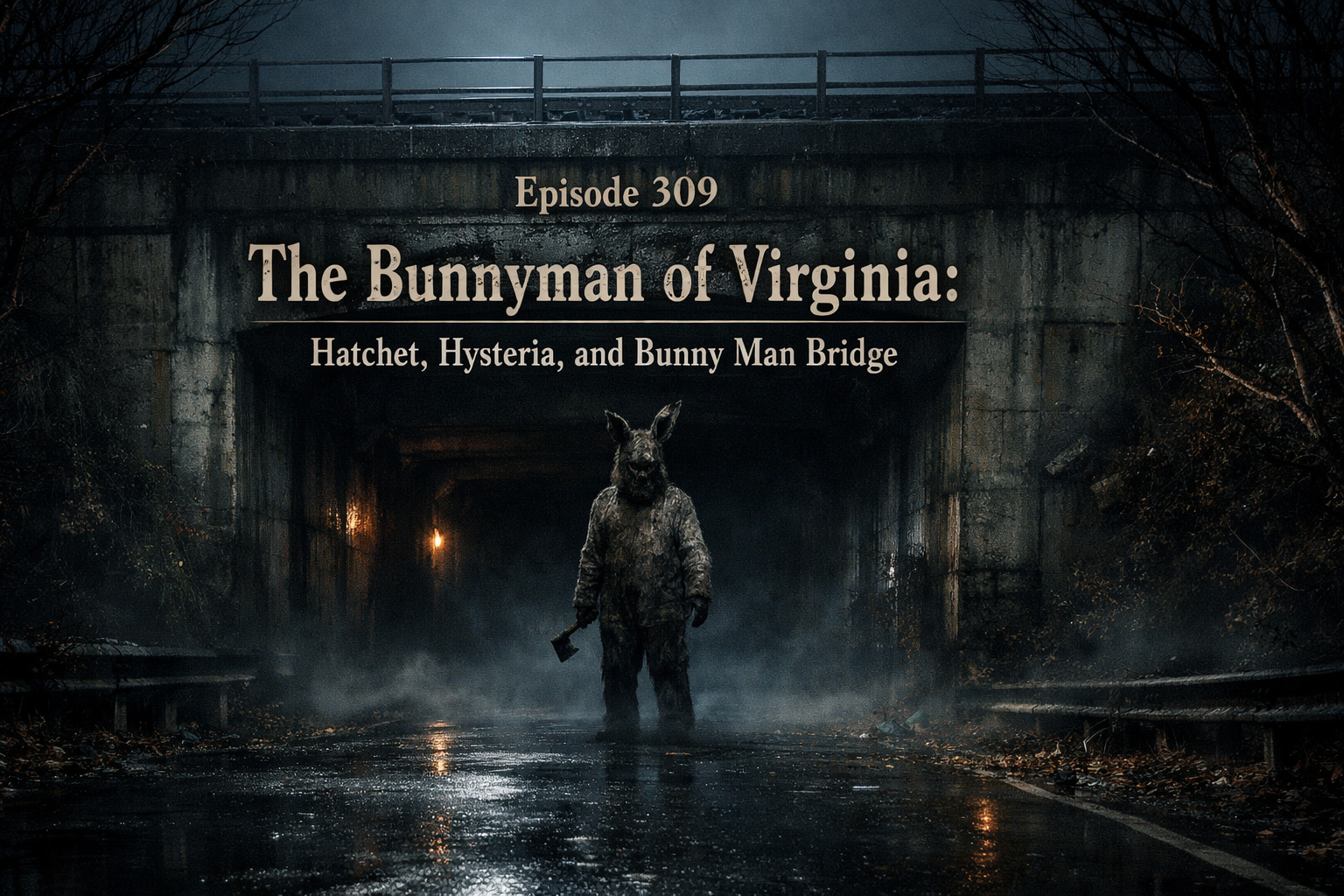
There are some legends that feel like they were built for October. The Bunnyman of Virginia is one of them. It has everything a modern campfire tale needs: a lonely overpass, whispers of murder, the suggestion of a ghost, and an image so wrong it sticks in the mind immediately — a rabbit-suited figure in the darkness holding a blade.
For decades, Bunny Man Bridge has drawn thrill-seekers, ghost hunters, and curious locals who want to stand beneath the overpass and test the legend for themselves. Depending on who tells it, the Bunnyman is an escaped asylum inmate, a hatchet-wielding killer, or a restless spirit that returns each Halloween. It is exactly the kind of story that dares people to repeat it.
What Really Happened
What makes the Bunnyman case especially fascinating is that there really were unsettling events at the core of it. In 1970, Fairfax County saw two incidents involving a man described as wearing rabbit-like clothing and threatening people with a hatchet or axe. That alone is enough to elevate the case from silly local oddity to something much stranger.
Those reports gave the story a foundation in reality, but the legend didn’t stay rooted there. It expanded. It drifted. It picked up new details with every retelling. Murders were added. Institutions were invented. The bridge became the center of the myth, even though the original documented incidents happened elsewhere.
Why the Story Endured
That may be the most interesting part of all. The Bunnyman endured not because the facts were simple, but because they were incomplete. There was enough truth to make the story feel dangerous, and enough uncertainty to let imagination do the rest.
A normal rabbit is harmless. Even timid. But turn that image into something aggressive, silent, and violent, and it becomes deeply unsettling. The Bunnyman legend works because it takes something familiar and twists it into a shape that feels unnatural. Add a dark road, a narrow bridge, and a Halloween setting, and you have the perfect folklore engine.
The Bridge as a Stage
Places matter in legends. Sometimes more than facts do. Bunny Man Bridge became the visual anchor for the story because it feels right. It looks like the sort of place where fear belongs. A bridge can hold weight, cast shadows, and trap sound. It turns a story into an experience.
That may be why the Bunnyman still lingers in the American imagination. Not because every version is true, but because the setting gives the legend a home.
Why We Keep Returning to It
The Bunnyman is a perfect example of modern folklore in motion. We can watch the transformation happen: from local encounter, to panic, to retelling, to full urban legend. That’s what makes the case so compelling. It isn’t just a ghost story. It’s a story about how ghost stories are born.
And maybe that’s the eeriest part of all. The suspect vanished. The bridge remained. And the legend kept walking around after dark.
— Juniper Ravenwood

Producer, The Shadow Frequency
Juniper Ravenwood is the heart and soul behind the production of The Shadow Frequency podcast, bringing her passion for the paranormal and storytelling to every episode. Born in the wide-open plains of South Dakota, Juniper grew up surrounded by tales of mystery and the unexplained, which sparked her fascination with the eerie unknown. With a deep love for podcasting and the boundless world of the internet, she crafts each episode with a blend of spooky atmosphere and meticulous care, ensuring listeners are drawn into the shadows. As the producer, Juniper not only manages the show’s chilling vibe but also connects with fans through the Mailbag segment and the podcast’s vibrant online community. When she’s not diving into creepy stories or exploring the digital realm, you can find her chasing new paranormal mysteries or dreaming up ways to make The Shadow Frequency even spookier. Connect with Juniper and the show at shadowfrequencypodcast.com or shadowpodcast@protonmail.com!
The Lafayette Vampire