John Titor, the Time Traveler who logged on
🖋️ Blog Post
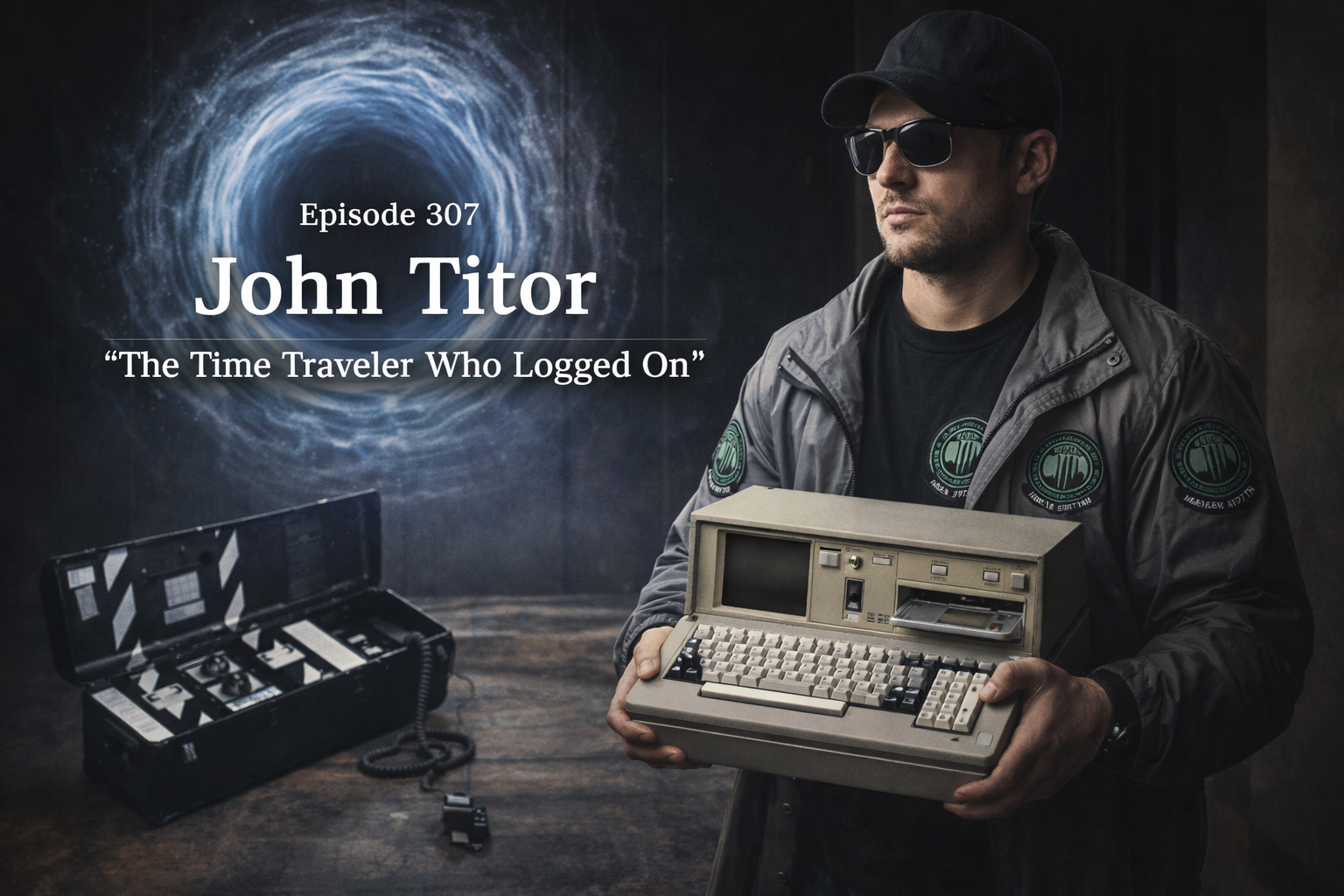
John Titor: The Time Traveler Who Logged On
By Juniper Ravenwood
The Internet Before It Lost Its Innocence
There was a strange little window of time around the turn of the millennium when the internet still felt half-machine, half-magic. It wasn’t yet the polished, algorithm-driven world we know now. It was messy, anonymous, flickering, and personal. Message boards felt like hidden rooms. Usernames felt like masks. And into that dim electronic space stepped a man claiming he was not just writing from somewhere else, but from somewhen else.
Who Was John Titor Supposed to Be?
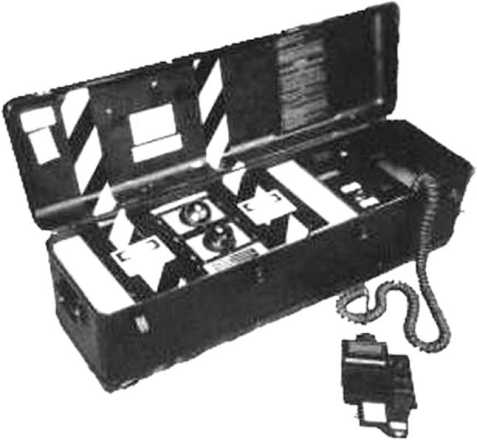
John Titor claimed he was an American soldier from the year 2036. According to the legend, he had traveled back in time on a mission involving an IBM 5100 computer from 1975, a machine he said would be critical in solving future legacy-system problems. He described a General Electric time machine, spoke in dense technical language, and offered just enough detail to make the story feel grounded in something real. That’s the part that keeps this mystery alive — not because the claims were proven, but because they were told with unnerving confidence.
Why the Story Took Hold
John Titor didn’t just tell people the future. He gave them a whole framework for believing him. He warned of civil conflict, war, and collapse. He described a future America that had hardened into something smaller and harsher. But maybe the most important part of his legend was the idea of world lines — the claim that traveling through time shifts you into a slightly different reality. That one concept made the story incredibly durable. If events didn’t unfold the way he said, believers could always say: wrong world line.

A Ghost Built Out of Wires and Words
That’s what makes John Titor so fascinating. Even if he wasn’t a real time traveler, he may still have been something extraordinary: one of the earliest examples of internet folklore forming in real time. A myth with receipts. A ghost in a machine. A story that used real technology, real anxiety, and real culture to build something that still feels eerie decades later.
Why We Still Talk About Him
The mystery lingers because it never fully closed. There was no clean ending, no satisfying confession that settled everything forever. Instead, Titor vanished, leaving behind predictions, arguments, archives, and one of the great uncanny relics of the early web. Whether you see him as a hoaxer, a storyteller, or a digital phantom, the case still says something important about us: people want to believe the future can leak through the cracks.
And maybe, sometimes, all it takes is a glowing screen in a dark room and a stranger who sounds just believable enough.
— Juniper Ravenwood

Producer, The Shadow Frequency
Juniper Ravenwood is the heart and soul behind the production of The Shadow Frequency podcast, bringing her passion for the paranormal and storytelling to every episode. Born in the wide-open plains of South Dakota, Juniper grew up surrounded by tales of mystery and the unexplained, which sparked her fascination with the eerie unknown. With a deep love for podcasting and the boundless world of the internet, she crafts each episode with a blend of spooky atmosphere and meticulous care, ensuring listeners are drawn into the shadows. As the producer, Juniper not only manages the show’s chilling vibe but also connects with fans through the Mailbag segment and the podcast’s vibrant online community. When she’s not diving into creepy stories or exploring the digital realm, you can find her chasing new paranormal mysteries or dreaming up ways to make The Shadow Frequency even spookier. Connect with Juniper and the show at shadowfrequencypodcast.com or shadowpodcast@protonmail.com!
The Delphos Ring UFO Case