Stages of Demonic Possession | Shadow Frequency Ep 269
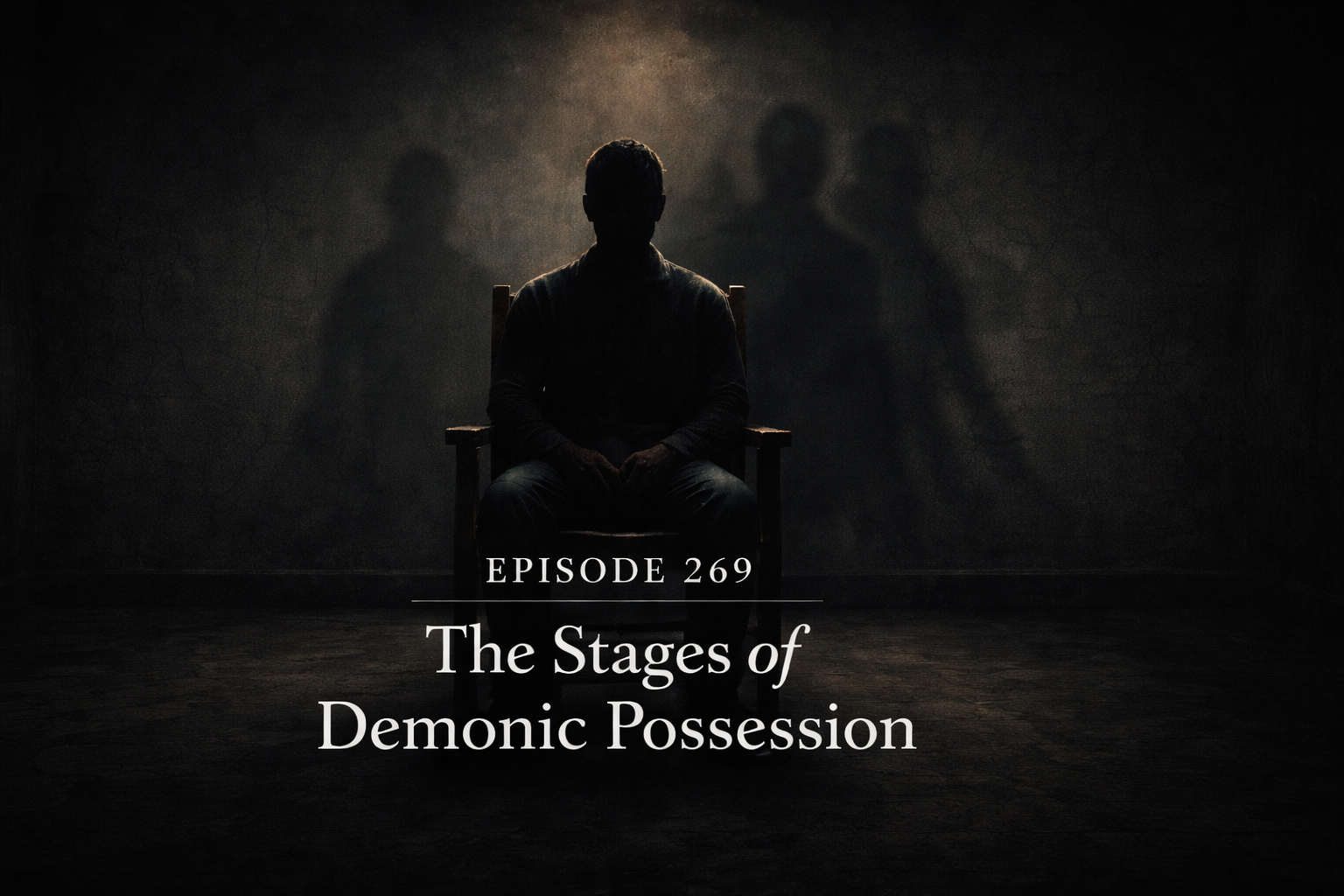
🕯️ The Quiet Descent: Understanding the Stages of Demonic Possession
By Juniper Ravenwood
In the shadowed corners of human experience, few topics evoke as much dread as demonic possession. Yet, as we explored in Episode 269 of The Shadow Frequency, it's rarely a sudden, cinematic takeover. Instead, religious traditions, exorcist accounts, and historical records describe a insidious progression—a quiet descent that begins subtly and builds to unimaginable terror.
🌑 The Subtle Beginnings: Oppression
The journey often starts with oppression, the earliest and most deceptive stage. Victims report an unexplained heaviness, like an invisible burden weighing on the soul. Intrusive thoughts creep in, recurring nightmares disrupt sleep, and a pervasive sense of being watched drains vitality. These symptoms mimic stress or depression, allowing the influence to deepen unnoticed. Exorcists like the late Fr. Gabriele Amorth described this as the demon "testing the waters," eroding spiritual defenses patiently.
🩸 Escalation to Obsession
As vulnerability grows, obsession takes hold. Thoughts darken, fixating on blasphemy, violence, or self-harm in relentless loops. Personality shifts emerge—isolation, sudden rages, and aversion to religious symbols like crosses or holy water. Historical cases, such as the Loudun nuns in 1634 France, illustrate this phase vividly, with afflicted individuals tormented by internal voices urging desecration.
🏚️ The Environment Reacts: Infestation
Next, the presence spills outward in infestation. Homes become battlegrounds: unexplained knocks, foul sulfurous odors, shadow figures in peripherals, and objects moving unaided. Cold spots and physical touches signal the entity is no longer confined to the mind. This stage echoes poltergeist activity, turning safe spaces into sources of constant unease.
⚔️ Full Possession and the Battle of Exorcism
The climax is possession itself—complete takeover. Voices growl unnaturally, superhuman strength defies restraint, unknown languages flow, and sacred words provoke fury. Cases like Roland Doe (1949), the boy behind The Exorcist, or Anneliese Michel (1976) showcase these horrors, with levitation, hidden knowledge, and violent contortions. Exorcism confronts the entity directly, but outcomes vary: deliverance for some, lingering scars or tragedy for others.
🧠 The Razor's Edge: Supernatural or Psychological?
What makes this topic enduringly unsettling is the ambiguity. While theology views these stages as demonic strategy, modern psychology points to conditions like schizophrenia or dissociative disorders mimicking symptoms. Yet documented cases defy easy explanation, leaving us to wonder: if real, how many are in early oppression today?
The true terror lies not in dramatic finales, but in those quiet first whispers. Stay vigilant, listeners—the shadows start small.
~ Juniper Ravenwood
Producer, The Shadow Frequency Podcast 🎙️📡

Producer, The Shadow Frequency
Juniper Ravenwood is the heart and soul behind the production of The Shadow Frequency podcast, bringing her passion for the paranormal and storytelling to every episode. Born in the wide-open plains of South Dakota, Juniper grew up surrounded by tales of mystery and the unexplained, which sparked her fascination with the eerie unknown. With a deep love for podcasting and the boundless world of the internet, she crafts each episode with a blend of spooky atmosphere and meticulous care, ensuring listeners are drawn into the shadows. As the producer, Juniper not only manages the show’s chilling vibe but also connects with fans through the Mailbag segment and the podcast’s vibrant online community. When she’s not diving into creepy stories or exploring the digital realm, you can find her chasing new paranormal mysteries or dreaming up ways to make The Shadow Frequency even spookier. Connect with Juniper and the show at shadowfrequencypodcast.com or shadowpodcast@protonmail.com!

Saint-Germain: The Immortal Count